

Respite care is short-term care for your parent so that you, the family caregiver, can rest. In Malaysia it comes in three forms: a caregiver at home for a few hours, a day at a day care centre, or a short stay at a residence for a few days or weeks. Choose by how long you need to be away and whether your parent needs care at night. Book it once for a trip, a festive period or recovery after a hospital stay, or regularly, such as one day a week.
If you have been caring for your parent for months, wanting a break does not mean you care less. The NHS describes respite as time out that "helps stop you becoming exhausted and run down", and the Alzheimer's Association says it helps you keep providing care. Respite is one of the options in our guide to home care services in Malaysia; this guide covers how to arrange it.
What respite care is, and what it is not
Respite care means someone else looks after your parent for a set time while you take a break. Afterwards, your parent goes back to their usual routine with you. The Alzheimer's Association describes respite lasting from a few hours to several weeks, at home, in the community or in a residence, for part of the day, an evening or overnight.
Respite is not a permanent move. A short stay ends on an agreed date and your parent comes home. It also does not have to wait for a crisis. The Alzheimer's Association advises planning emergency respite ahead and trying the service in calmer times, so that if you fall ill or need surgery yourself, care for your parent is already arranged.
The three kinds of respite care in Malaysia
Costs in the table are other providers' published prices, seen in October 2026, not Care Concierge's prices.
| Respite at home | Day care | Short stay at a residence | |
|---|---|---|---|
| Where your parent is | In their own home, with a caregiver who visits | At a day care centre, home again in the evening | Living at a residence for the length of the stay |
| How long | A few hours, once or on regular days | A working day, such as 8am to 6pm | A few days to several weeks, ending on an agreed date |
| Suits | A rest or errands while your parent keeps their own routine | Regular working days, for a parent who can manage the journey and a group | Travel, a festive period, recovery after hospital, or a longer rest |
| Covers nights | Only with an overnight or live-in caregiver | No | Yes |
| Published market prices | Agencies charge about RM30 to RM55 an hour in the Klang Valley, and from RM24 in Penang | ADFM's dementia day centre in Petaling Jaya charges RM70 a day. One Subang Jaya centre publishes RM150 to RM180 a day, or RM1,800 to RM2,300 a month | The same centre publishes RM200 to RM450 a day, by room and care level. Some homes quote per stay instead |
Respite at home
A trained caregiver comes to your parent's home for the hours you book. Your parent keeps their own bed and routine, and you can rest or go out knowing someone is with them. At Care Concierge this is Flexi Care, booked by the hour. During a visit the caregiver helps with bathing, dressing, the toilet, meals and moving around, serves medicine from the schedule you prepare, notes meals and simple vital signs, and sends you an update afterwards. Our guide to what home care includes sets out the tasks in more detail.
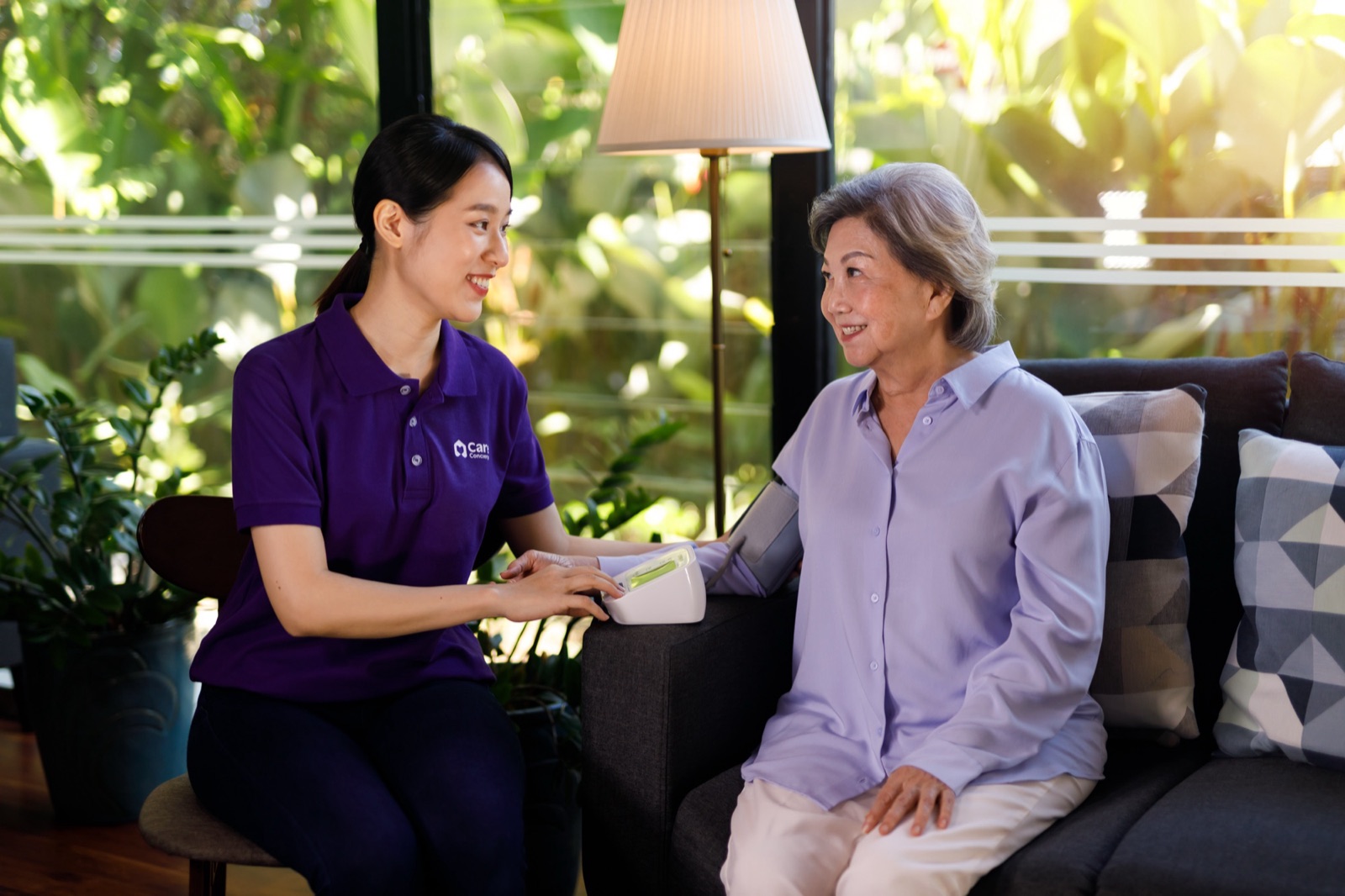
Hourly care covers the day. If you will be away overnight or for several days and your parent wants to stay home, a live-in caregiver covers the nights as well.
Respite at day care
Your parent spends the working day at a centre with caregivers, meals and activities, then comes home in the evening. You get a full day for work or for yourself, on a regular schedule. A day at The Mansion starts with a vitals check and breakfast, then exercise and a walk. After lunch come cognitive activities, then tea. Day care at The Mansion runs from 8am to 6pm, six days a week, and at Tanjung Point Residences from 8am to 6pm, five days a week. Angsana Home in Penang also offers day care. Our guide to elderly day care in Malaysia covers what to check before you choose a centre.

A short stay at a residence
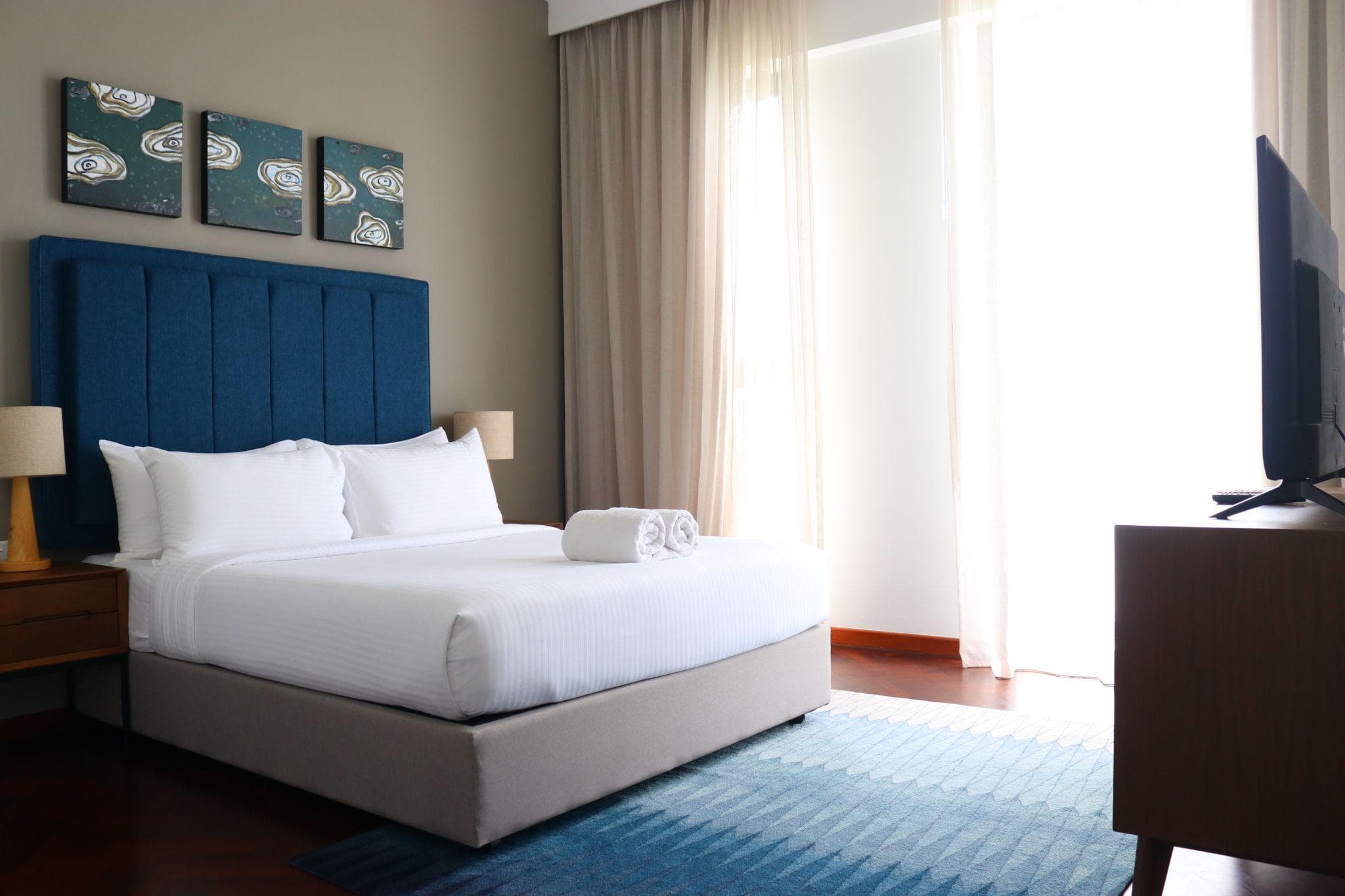
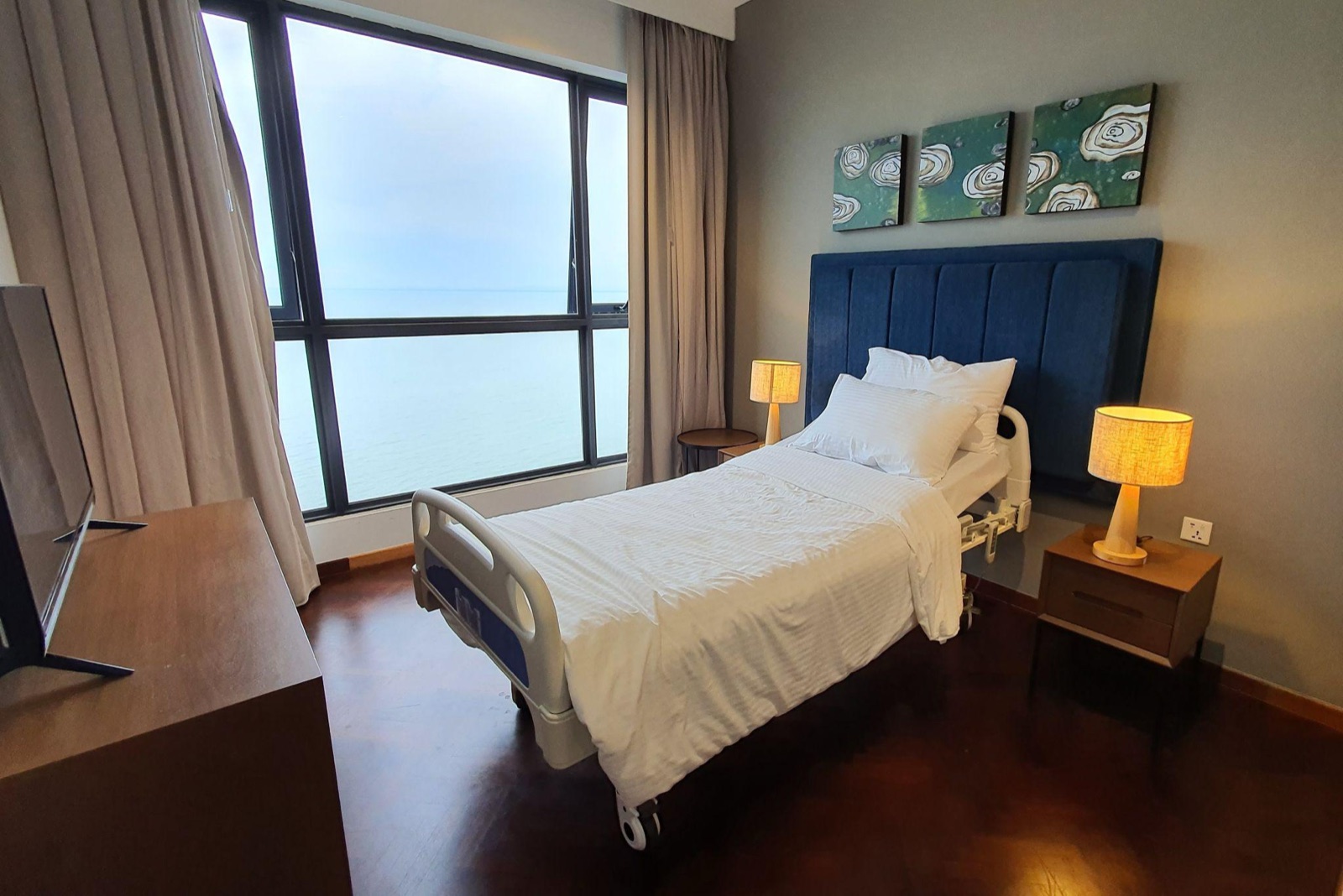
Your parent lives at a residence for an agreed number of days or weeks, and goes home when the stay ends. Choose a short stay when you will be away overnight, over a festive period, or when your parent needs care while recovering from a hospital stay. Tanjung Point Residences in Penang has respite suites for short stays and recovery. The Mansion Ampang in Kuala Lumpur, 50 metres from Gleneagles Hospital, takes short and long stays, including recovery after a hospital stay. At both, caregivers are on duty round the clock. Ask about the minimum stay and what is included before you book.
Signs you need a break
Signs of caregiver burnout listed by Cleveland Clinic include:
- You feel exhausted, in body and in mind.
- You have pulled away from friends and family, or lost interest in things you used to enjoy.
- You sleep or eat differently from before.
- You find it hard to concentrate, or you fall sick more often.
- You feel irritable, frustrated or angry with the people around you.
- You feel hopeless or helpless.
If several sound familiar, treat them as a reason to plan a break. You have not failed your parent. The NHS says: "If you feel like you're not managing, do not feel guilty. There's help and support available." The World Health Organization's advice to people caring for someone with dementia includes taking regular breaks. If the feelings stay with you after a rest, talk to your doctor.
How to choose the right kind of respite
Start with how much time you need, then check it against your parent's needs.
Match the break to the time you need
Which kind of respite covers how long you will be away.
A few hours
A working day
Overnight
Days to weeks
Respite at home
Day care
Short stay at a residence
- For a few hours, once or every week, care at home is the simplest, and your parent's routine stays the same.
- For your working days, day care gives your parent a regular rhythm, if they can manage the journey and a group setting.
- For nights away, a trip or a festive period, choose a short stay at a residence, or a live-in caregiver at home.
- After a hospital stay, a short stay with recovery care can cover the weeks before your parent is ready to manage at home.
If your parent lives with dementia, plan a little more. The Alzheimer's Association suggests telling the care team about your parent's history, habits and what helps, asking about the staff's training in dementia, and planning regular stays so that a new place becomes easier to adjust to. Our guide to dementia care at home covers daily routines, home safety and help at each stage.
Preparing your parent for a short stay
Give the care team what they need to know about your parent before the stay, and prepare the list below in the week before.
Short stay checklist
- A list of every medicine with its dose and times, your parent's doctors, and any recent hospital discharge notes.
- Notes on your parent's day: when they wake, eat and sleep, the help they need with the toilet and bathing, foods they like or avoid, and what calms them when they are upset.
- Clothes for each day, toiletries, glasses, hearing aids, walking aids and phone chargers.
- A few things from home your parent likes, such as photos or a favourite pillow.
- Phone numbers for you and one back-up family member, and the dates you will be away.
- A visit together before the stay, so your parent sees the room and meets the care team.
Explain the stay to your parent in words they understand, and tell them the date they will come home. The NHS also suggests writing down the care your parent needs, including medicines and any dos and don'ts, and leaving the notes where the person covering for you will find them. That advice holds for respite at home too.
What respite care costs in Malaysia
Respite is priced the way each kind of care is priced: by the hour at home, by the day or month at day care, and by the day or by the stay at a residence. These are published market examples seen in October 2026. Prices change, and the care your parent needs moves the figure, so ask every provider for a written quote.
- Care at home: agencies charge about RM30 to RM55 an hour in the Klang Valley, and from RM24 an hour in Penang. Minimum bookings vary, from one hour upwards.
- Day care: the Alzheimer's Disease Foundation Malaysia (ADFM) charges RM70 a day at its dementia day centre in Petaling Jaya, weekdays 8am to 5pm. AIM Health Care Centre in Subang Jaya publishes RM150 to RM180 a day, or RM1,800 to RM2,300 a month for five days a week, depending on how much help your parent needs.
- Short stay: the same centre publishes stay-in rates of RM200 to RM450 a day, from a six-bed room for an independent resident to a single room for a dependent one. It also charges a one-off RM500 for registration and a first doctor's assessment. Genesis Life Care quotes respite and short stays per stay.
For a longer stay, published monthly fees at private care homes start from RM2,500 for a shared room. Our guide to residence costs in Malaysia compares them, and our guide to the cost of home care in Malaysia sets out home care rates by type. For Care Concierge respite, a Care Advisor can quote for your parent's needs and dates.
Using a short stay to try a residence
A short stay lets you and your parent see a residence from the inside before any longer decision: the routine, the food, the care team and how your parent settles. If it goes well, The Mansion Ampang takes long stays as well as short ones. If your parent is happier at home, care at home stays an option. Our comparison of home care and a residence sets out how families weigh the two, and our guide on how to choose a care home in Malaysia has a visit checklist.
What you can do this week
- Write down the hours or days you need covered, and whether that includes nights.
- Match them to a kind of respite: care at home, day care or a short stay.
- Start the medicine list and the notes on your parent's day from the checklist above.
- Ask two providers about availability, the minimum booking or stay, what is included, and a written quote. For travel or festive dates, ask early: the NHS notes that short-stay places can be hard to find at short notice.
Respite care with Care Concierge
Care Concierge offers all three kinds of respite. A Care Advisor listens first and recommends what fits your parent and your dates; a Care Manager then coordinates the care.
- Flexi Care for a caregiver at home by the hour, for a single afternoon or regular days off.
- Tanjung Point Residences for a short stay, recovery or day care in Penang.
- The Mansion Ampang for a short stay or recovery after hospital in Kuala Lumpur.
When you're ready, tell us your dates and what your parent needs, and we'll talk you through the options. There is no obligation to book.
Tell us your dates. We'll plan care at home, day care or a short stay.
Sources
- NHS: Carer's breaks and respite care
- NHS: Looking after someone with dementia
- Alzheimer's Association: Understanding Respite Care, a guide for dementia caregivers
- World Health Organization: Dementia fact sheet
- Cleveland Clinic: Caregiver burnout
- Homage: Home care in KL and Selangor
- Homage: Home care in Penang
- FaMGuard@Home: published rates
- Jasper Lodge: Home care services in Kuala Lumpur
- ADFM: Day Care Centre
- iElder.Asia: AIM Health Care Centre day care rates
- iElder.Asia: AIM Health Care Centre stay-in rates
- Genesis Life Care: published care packages
- Care Concierge: residences, short stays and day care
Frequently asked questions
How long can respite care last?
As long as you and the provider agree. It can be a few hours of care at home, a day at a day care centre, or a short stay at a residence for a few days to several weeks. Ask each provider about its minimum booking or stay before you plan your dates.
Can I arrange respite care while I travel or over Chinese New Year or Hari Raya?
Yes. A short stay at a residence, or a live-in caregiver at home, covers the nights while you are away. Ask early, because short-stay places can be hard to find at short notice, and prepare your parent's medicine list and daily routine notes before you go.
Is respite care suitable for a parent with dementia?
Yes, with some planning. Tell the care team about your parent's history, habits and what helps when they are upset, and ask about the staff's training in dementia. The Alzheimer's Association suggests regular stays, so a new place becomes easier to adjust to. Respite at home keeps your parent in familiar surroundings.
Can my parent stay at a residence to recover after a hospital stay?
Yes. Tanjung Point Residences in Penang has respite suites for short stays and recovery. The Mansion Ampang, 50 metres from Gleneagles Hospital in Kuala Lumpur, takes short and long stays, including recovery after a hospital stay. Share the discharge notes and medicine list with the care team before your parent arrives.
What is the difference between respite care and day care?
Day care is one kind of respite. Your parent spends the day at a centre and comes home in the evening, which suits regular working days. Respite also includes care at home and short stays at a residence, and a short stay covers nights.
Is a short stay more expensive than staying for a month?
At one Subang Jaya centre, yes: 30 days at its published daily rate cost more than its monthly fee for the same room. Ask each provider whether a longer stay is charged at the monthly rate, and get the quote in writing.
Explore More Topics

About the Author
Martin Yap
Martin Yap is a Founder & CEO dedicated to improving the lives of seniors and their families through expert guidance and compassionate care. With years of experience in the field, they bring a wealth of knowledge to the Care Concierge community.