

EdgeProp
EdgeProp column cites Care Collective and Martin Yap on growing Malaysia's senior living sector
EdgeProp
Media
Tags
Synopsis
A Rehda Institute column on what Malaysia's senior living sector needs from private investors names Care Collective as an example of a developer–operator partnership.
Other News
Gobi Partners
Catherine's Corner: Investing In Care
UTAR
UTAR and Care Concierge renew MoU to strengthen collaboration in elder care and health sciences
The Star
Premium aged-care demand on the rise
Soul Cities
The Future of Caregiving in Malaysia | Soul Cities: A Placemaker's Guide to Living
Budiey
Kolaborasi IDEAL Healthcare & Care Concierge Tawar Solusi Holistik
In a column for EdgeProp published on 18 October 2026, David S Chong, chief operating officer of the Rehda Institute, asks where Malaysia's senior living market really stands and where private investors can help. The Rehda Institute is the research and training arm of the Real Estate and Housing Developers' Association. The column is the second of two; the first, in September, argued that Malaysia needs a working senior living ecosystem before it needs the buildings. It draws on a Rehda roundtable on senior living in February 2024, where Care Concierge founder and CEO Martin Yap spoke, and a Rehda study trip to Melbourne in March 2025.
Demand is growing, but fewer people can pay
Department of Statistics Malaysia projections put Malaysians aged 65 and over at 8.0% of the population in 2025, rising to 10.4% by 2035. Chong points out that the number of people who can pay for private senior living is much smaller than that growth suggests.
At the roundtable, Foo Chee Hung of MKH Berhad compared Malaysia with Australia and described retirement villages as a niche market here. He advised developers to study demand properly and adapt the model to Malaysian customs. Rahimah Ibrahim of Universiti Putra Malaysia's Malaysian Research Institute on Ageing noted that most older Malaysians would rather age in their own homes, and that many low- and middle-income households already struggle with housing costs. From this, Chong identifies a "missing middle": middle-income retirees who cannot afford what private operators offer today.
Lessons from Melbourne
In Melbourne, Phil Burns of Sinclair Brook explained that a senior living developer usually earns less on the first sale than on ordinary housing, but keeps an ongoing income from services, resales and exit fees. He called it a 40-year business rather than a four-year one, and warned that lenders look for financial strength and real operating capability. Harry Jackson of K2LD Architects made the case for homely settings built around small households, dementia-friendly design and technology residents can actually use.
Chong's takeaway is that a senior living building is judged by how people live in it, so Malaysian projects should be designed around Malaysian habits and family life.
A local operator's view
The column profiles Re-U Living, part of the IGB Group, which turned a block of the MiCasa All Suites Hotel into a premium assisted living residence. Its chief executive, Estee Tan, describes a clinical assessment before each resident moves in, covering medical history, care needs, lifestyle and meals, with input from family and doctors. A hotel team handles housekeeping, catering and security, while nurses, therapists and caregivers provide the care.
Tan argues that a warm, hotel-like setting gives residents dignity and removes the stigma of being sent away, and that technology should quietly support safety while people provide the empathy. Her policy asks are tax incentives for developers who build, operate and manage their own projects, a single agency for licensing, and long-term care insurance.
Four openings for private investors
- Design. Ordinary homes can be built to suit people for life, with step-free entrances, wider doorways and bathroom walls strong enough for grab bars later. These are far easier to include at the drawing stage than to add afterwards, and they let buyers age in place.
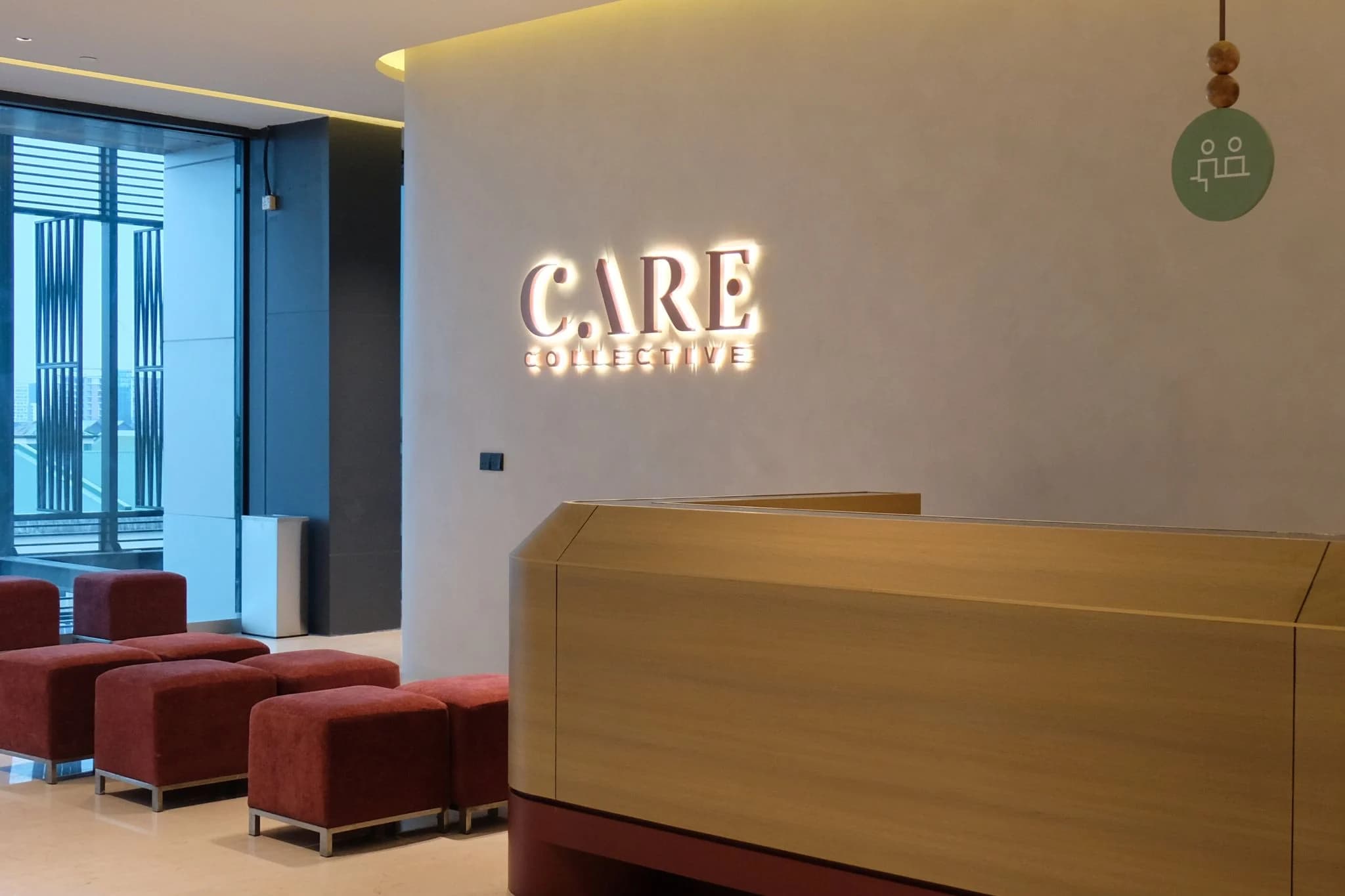
- Operating expertise. Running a full range of care on one site takes people who know how to do it, so partnerships between developers and experienced care operators matter. Chong names "Care Collective in Kuching, developed by Care Concierge with Elica Equity" as one example.
- Adaptive reuse. Converting existing buildings, as Re-U Living did, can lower start-up costs and put residences in established neighbourhoods close to families.
- Retirees from overseas. Through earlier work at Malaysia Property Incorporated, Chong met Japanese retirees who settled here under the Malaysia My Second Home programme and built their own communities. He sees Japan and Singapore as likely source markets, drawn by Malaysia's climate, living costs and existing retiree communities.
Chong expects the objection that foreign retirees should not come first while local middle-income retirees go unserved. His answer is that wealthier residents, foreign or Malaysian, can keep early operators going while they build caregiver training, assistive technology and geriatric expertise. As providers grow, that know-how and lower costs at scale may reach mid-market and public facilities too. He is careful to say this is possible, not certain, and that it depends on a clear, stable long-stay visa policy, because retirees and the operators who serve them plan in decades.
The long game
Chong argues that developers need not wait for perfect policy. They should study which care services and market segments have real demand, partner with experienced operators, raise patient capital, and budget for the caregiving workforce. He cites Martin Yap's point at the roundtable that large funds will only invest when the sector is profitable enough, and that the private sector has to help build the expertise the industry needs to mature.
His conclusion is that senior living rewards operators who treat it as a 40-year business. Those who treat it as a launch-and-sell property project may find that demand arrives more slowly than their sales projections assume.
Care Collective today
Care Collective is now open at Wisma Elica, Kuching, with retirement suites, assisted living and The Clubhouse day programme, run by Care Concierge. You can see the rooms and book a tour on the Care Collective website.
Source Link EdgeProp
Other News
Gobi Partners
Catherine's Corner: Investing In Care

UTAR
UTAR and Care Concierge renew MoU to strengthen collaboration in elder care and health sciences
The Star
Premium aged-care demand on the rise
Soul Cities
The Future of Caregiving in Malaysia | Soul Cities: A Placemaker's Guide to Living
Budiey
Kolaborasi IDEAL Healthcare & Care Concierge Tawar Solusi Holistik